Removing Hazards Before They Fall
Tree Services in Clemmons for leaning trunks, storm-damaged limbs, and obstructed sightlines
Jose Forestry Mulching and Land Clearing provides tree services for property owners in Clemmons who need dead wood removed, crowns thinned, or stumps ground below grade. You call when a branch hangs over your roof after a storm, when a trunk leans toward your fence line, or when surface roots from an old stump keep catching your mower deck.
The work includes tree removal for specimens that cannot be saved, pruning to eliminate crossing branches and deadwood, and stump grinding that reduces what remains into mulch you can rake level. In Clemmons, clay soils hold moisture around root collars longer after rain, which means decay spreads faster in damaged hardwoods. Removing compromised trees before they drop limbs keeps your driveway clear and your insurance adjuster off your porch.
If you need a tree assessed or a stump dealt with, reach out to discuss what needs attention and when the crew can come through.
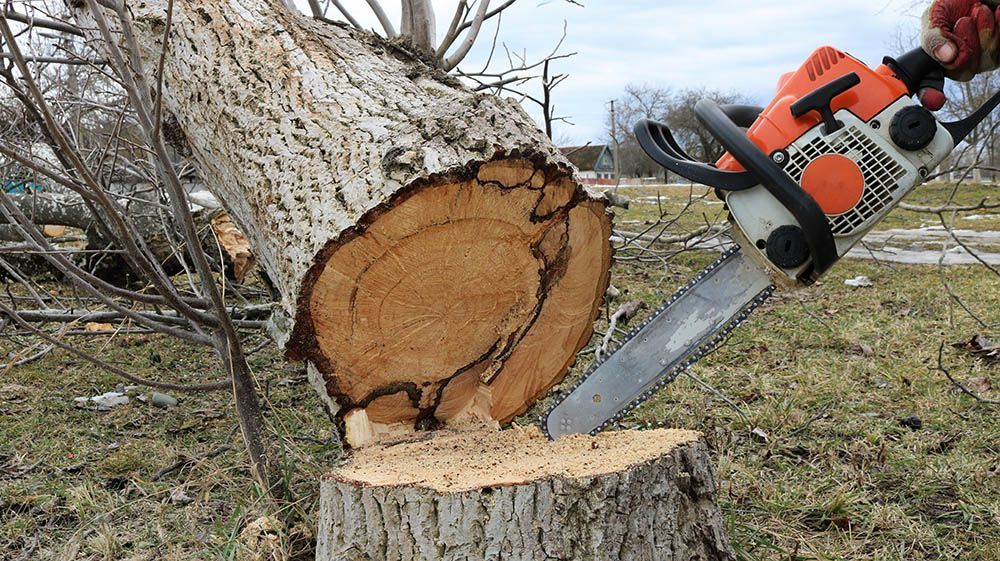
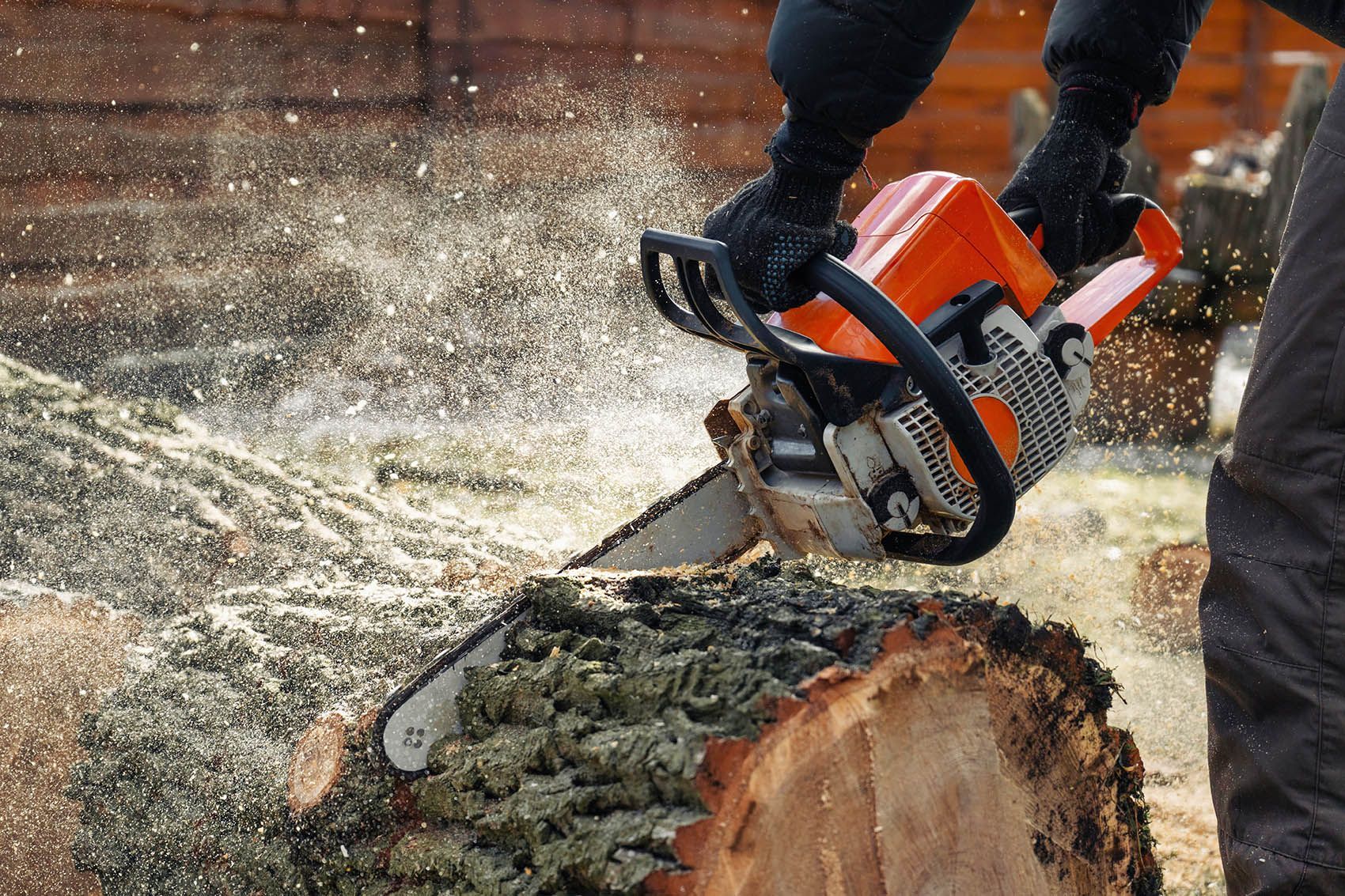
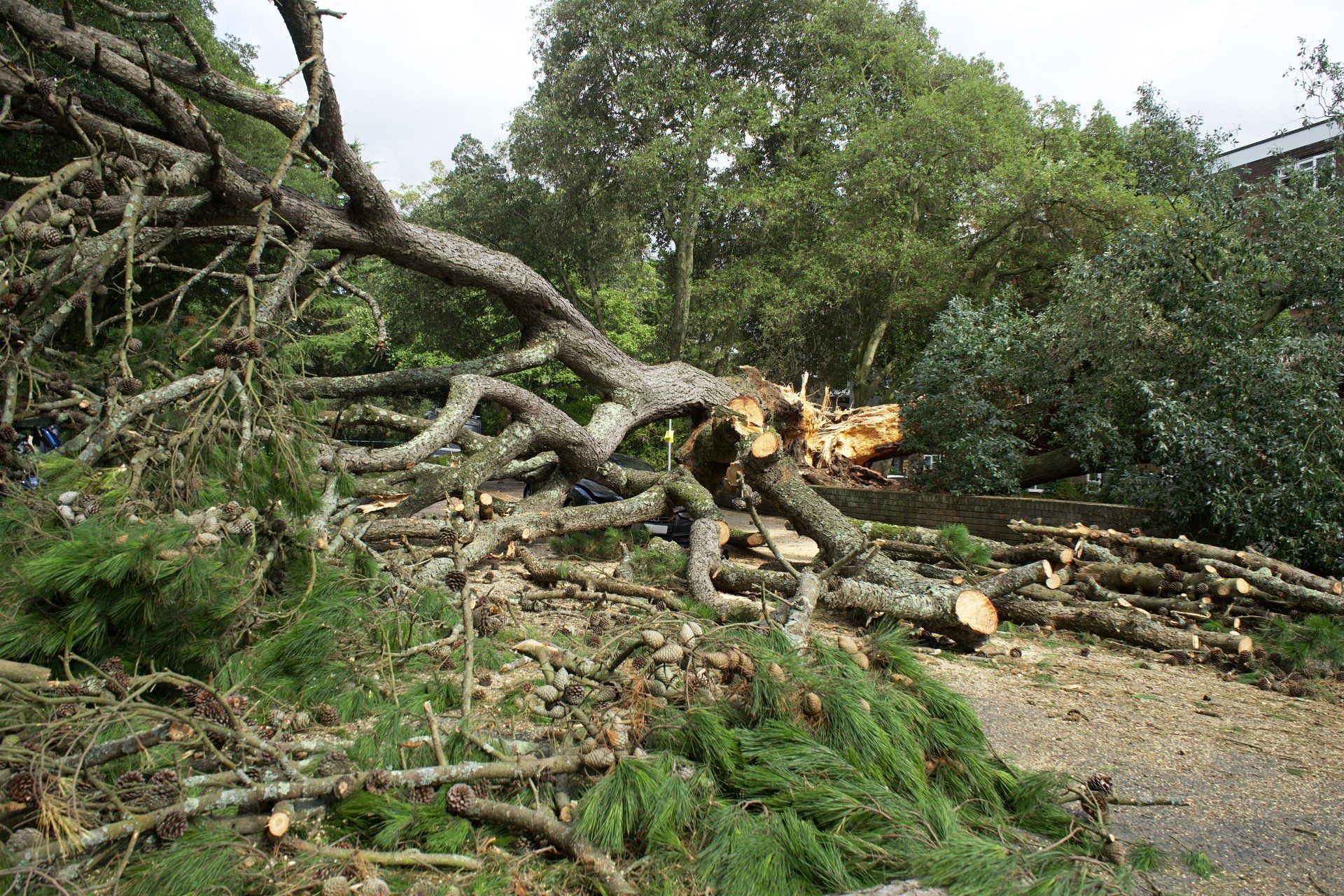
You start by pointing out which trees need attention and describing what you see, whether that means a split trunk, a canopy crowding your gutter, or a stump that sits eight inches above grade. The crew examines lean angle, bark condition, and proximity to structures. They decide whether to limb from the ground with a pole saw, climb and top in sections, or rig down heavy wood with a bull rope.
After removal, you walk the yard without dodging low branches. Sunlight reaches flower beds that were shaded all summer. Stumps are ground six to eight inches below soil line, leaving a shallow depression you fill with topsoil and seed. Jose Forestry Mulching and Land Clearing hauls away the larger wood and chips the brush, so you are not left with a burn pile in your side yard.
Pruning work focuses on removing dead ends, rubbing limbs, and water sprouts that sap energy from the main canopy. The crew does not top trees flat or strip every branch from the trunk. Cuts are made at the branch collar to let callus tissue seal the wound. The result is a canopy that sheds wind load more evenly and does not funnel rain into pockets where rot starts.
What Happens During Tree Work
Questions Property Owners Ask About Tree Work
Homeowners in Clemmons often ask how the work is sequenced and what they should do with the wood that comes down.
What happens to the wood after a tree is removed?
Larger logs are loaded onto a trailer and hauled off site, while smaller branches are fed through a chipper and either removed or left as mulch if you request it.
How deep does stump grinding go?
The grinder wheel cuts six to eight inches below soil grade, which is deep enough to lay sod or plant grass seed without hitting buried wood.
When is the best time to prune hardwoods?
Late winter, while trees are still dormant, allows you to see branch structure clearly and minimizes sap flow from fresh cuts.
Why do some trees need to be rigged down in sections?
When a tree stands close to a building, fence, or power line, sectional removal with ropes prevents large pieces from falling uncontrolled and causing damage.
What should I do if a tree is leaning but still alive?
A crew member will check root stability and trunk condition to determine whether the tree can be pruned back to reduce weight or whether removal is the safer choice before the next storm rolls through Clemmons.
If a tree on your property is blocking light, dropping limbs, or simply needs to come down, contact Jose Forestry Mulching and Land Clearing to schedule an assessment and get the work handled before the next round of high wind moves through the area.